
How Schools Can Improve Their Energy Efficiency
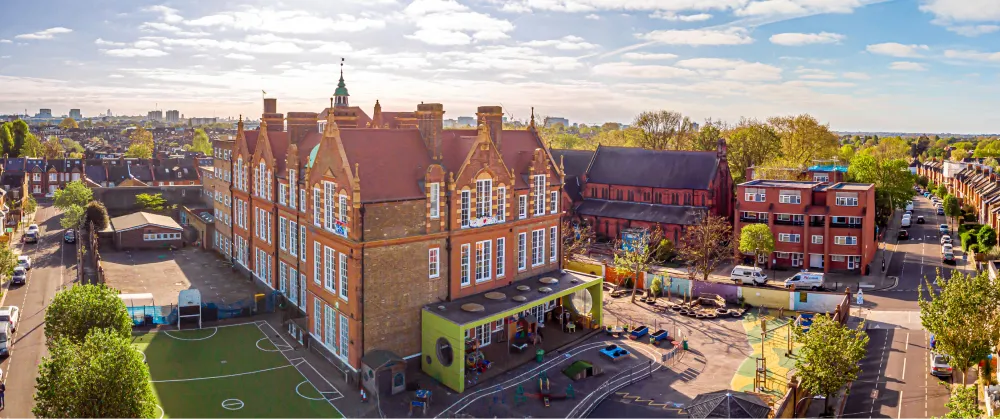
Energy is one of the largest controllable costs on a school’s budget, and for many governors and business managers, it has become one of the most difficult to plan for. Volatile wholesale prices, ageing estates, and rising expectations around carbon reporting mean that energy efficiency is no longer a “nice to have” for schools. It is fast becoming a core part of financial and estate management.
For school leaders and governing bodies, the good news is that many of the most effective efficiency measures are straightforward to plan for, particularly around the summer and other school holidays when buildings are largely unoccupied. This article sets out the regulatory context, the practical steps schools can take, and where specialist support can help.
Quick Wins Before Term Ends
With many schools breaking up for the summer this week, there are a few things worth doing before the last pupil leaves, none of which need a contractor or a budget sign-off:
- Walk the site before you lock up. Check what’s still running on term-time settings, heating, hot water systems, IT equipment, and note anything that should be switched off or turned down for the holidays.
- Adjust timers and building management systems. Make sure controls reflect a genuinely empty building rather than a reduced-occupancy one. This alone can meaningfully cut avoidable summer energy use.
- Flag your energy contract for review. Six weeks is enough time to establish where your school sits against the current market and start a conversation about renewal terms before the new academic year begins.
Larger projects, such as LED retrofits, solar PV or smart heating controls, need more lead time for surveys, quotes and procurement, so they are better scoped now and scheduled for the next available closure window, whether that’s October half term or next summer, rather than rushed into the coming six weeks.
Why Energy Efficiency Is Now a Governance Priority
Energy efficiency in schools is increasingly shaped by national policy rather than being left purely to individual discretion. The Department for Education’s Education Estates Strategy, laid in Parliament on 11th February 2026, sets out a 10-year plan of national renewal covering the more than 22,000 schools and colleges across England, with a focus on more proactive, long-term management of buildings.
As part of this, the DfE has launched a new Renewal and Retrofit Programme backed by £710 million through to 2029-30, aimed at helping schools and colleges tackle significant condition projects, build climate change resilience and support decarbonisation of the estate. The programme starts with schools in the East Midlands, Yorkshire and the Humber, and the South East from April 2026, before expanding nationally by 2029. The strategy also commits to supporting solar and energy efficiency measures by unlocking private finance investment across schools and colleges, and to increasing the reach of the Sustainability Support Programme to all settings.
This comes alongside a significant change to grant funding. The Public Sector Decarbonisation Scheme, delivered by Salix, is now closed to new applications, meaning schools and trusts wanting to fund decarbonisation and energy efficiency projects need to look towards Condition Improvement Fund allocations, the new Renewal and Retrofit Programme, and private finance routes instead.
For governors, this shifts energy efficiency from a purely operational matter to a governance one. Understanding where a school sits within these national programmes, and having a clear estate energy plan ready, is becoming increasingly important when funding decisions are made.
Practical Steps Schools Can Take
- Carry out a strategic energy audit. Many schools continue to use energy unnecessarily during holidays and out-of-hours periods, with lighting, heating, hot water and IT systems left running on term-time settings. A proper audit of consumption patterns, ideally cross-referenced against occupancy, quickly identifies where controls, timers and building management systems need adjusting.
- Use holiday periods for installation work. Closures such as the summer break offer a practical window to install measures that would otherwise disrupt lessons, including LED lighting upgrades, smart heating and cooling controls, and renewable technologies such as solar PV. Planning these projects around the academic calendar avoids costly delays and keeps disruption to a minimum.
- Review energy procurement. Many schools remain on outdated or uncompetitive contracts. Reviewing historic consumption data and aligning contract renewal with the academic year, rather than accepting default rollover terms, can materially improve budget certainty and reduce exposure to market volatility.
- Introduce monitoring and IoT technology. Real-time monitoring of electricity, gas and water consumption allows estates teams to spot usage spikes, identify faults early and evidence the impact of efficiency measures. Building a clear evidence base also strengthens future funding applications and demonstrates good estate management to governors and trustees.
- Build efficiency into governance and reporting. Energy efficiency works best as a standing item for governors and trustees rather than a one-off project. Clear ownership, regular reporting on consumption and costs, and a documented improvement plan will put schools in a stronger position, both operationally and when applying for future funding.
Funding the Transition
With the Public Sector Decarbonisation Scheme closed, schools and trusts increasingly need to combine capital budgets. The Condition Improvement Fund and the forthcoming Renewal and Retrofit Programme are there to fund larger decarbonisation projects. Understanding which funding routes apply to a school’s specific status, whether local authority-maintained, academy or multi-academy trust, is an important first step before committing to a project timeline.
How 2EA Can Help
Navigating shifting funding routes, procurement decisions and reporting expectations can be time-consuming for busy school leaders and governors. 2EA supports education sector clients with practical carbon and energy strategy, from baseline audits through to funding guidance and ongoing reporting. Get in touch to discuss how we can support your school or trust’s energy efficiency plans.
Sources
Department for Education, Education Estates Strategy: https://www.gov.uk/government/publications/education-estates-strategy
Education Estates Strategy: A Decade of National Renewal (full text): https://www.gov.uk/government/publications/education-estates-strategy/education-estates-strategy-a-decade-of-national-renewal
Public Sector Decarbonisation Scheme, GOV.UK collection: https://www.gov.uk/government/collections/public-sector-decarbonisation-scheme