
Electric Cars – How Have They Impacted the Environment?
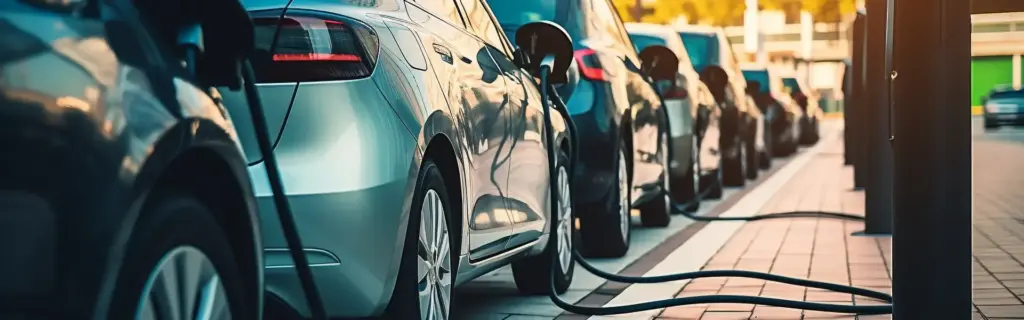
The transition to electric vehicles is one of the most visible changes in the UK’s journey towards net zero. With growing adoption and policy support, businesses and organisations are increasingly asking a key question: do electric cars genuinely reduce environmental impact, or do they simply shift emissions elsewhere?
Understanding the Full Environmental Picture
To assess the impact of electric cars, it is important to consider their full lifecycle. This includes manufacturing, energy use during operation and end-of-life disposal.
Electric vehicles produce zero tailpipe emissions. This means no nitrogen dioxide or particulate matter is released while driving, which improves local air quality in towns and cities. [1]
However, the production phase tells a more complex story. Battery manufacturing is energy intensive, which means electric cars typically have higher upfront emissions than petrol or diesel vehicles. [4]
Despite this, studies consistently show that electric vehicles offset this initial impact relatively quickly.
Lifecycle Emissions and Carbon Savings
Recent research across Europe shows that battery electric vehicles produce significantly lower emissions over their lifetime compared to traditional vehicles.
A 2025 study found that electric cars generate around 73% fewer lifecycle greenhouse gas emissions than petrol equivalents. [2]
In real terms, this reduction comes from two key factors. First, electric motors are far more efficient than internal combustion engines. Second, electricity generation is becoming cleaner as renewable energy increases across the grid.
Even when powered by the current UK electricity mix, electric vehicles typically produce between 30% and 70% less CO₂ per mile than petrol or diesel cars. [3]
Over a typical vehicle lifespan, this can result in emissions reductions of up to 70 to 75%. [5]
The Role of the Energy Grid
The environmental performance of electric cars depends heavily on how electricity is generated. In regions with cleaner energy mixes, such as the UK, the benefits are more pronounced. As the grid continues to decarbonise through wind, solar and nuclear power, the emissions associated with charging electric vehicles will continue to fall.
This means that electric cars are not only cleaner today but will become even more environmentally beneficial over time.
Wider Environmental Considerations
While electric vehicles reduce greenhouse gas emissions, they are not without environmental challenges. Battery production requires raw materials such as lithium, cobalt and nickel. Mining and processing these materials can have environmental and social impacts if not managed responsibly.
There are also considerations around tyre and brake wear, which can contribute to particulate pollution. However, ongoing developments in battery recycling and material sourcing are helping to address these concerns.
A Net Positive Impact
When viewed across their full lifecycle, electric vehicles offer a clear environmental advantage over petrol and diesel cars.
They significantly reduce greenhouse gas emissions, improve urban air quality and align with the UK’s long-term decarbonisation goals. While challenges remain, particularly in manufacturing and resource use, the overall direction of travel is clear.
For organisations looking to reduce their carbon footprint, the adoption of electric vehicles is a practical and effective step. As part of a wider energy and sustainability strategy, it can play a key role in achieving compliance targets and long-term environmental objectives.
How 2EA Can Help
At 2EA, we help organisations understand, manage and reduce their energy use and carbon emissions. Our team provides clear, practical support across a range of compliance and sustainability requirements, helping you stay aligned with current regulations while identifying opportunities to improve efficiency.
From energy audits and ESOS compliance to carbon reduction planning and ongoing energy management, we deliver tailored solutions that support your operational and environmental goals.