
What is the Future of Fossil Fuels?
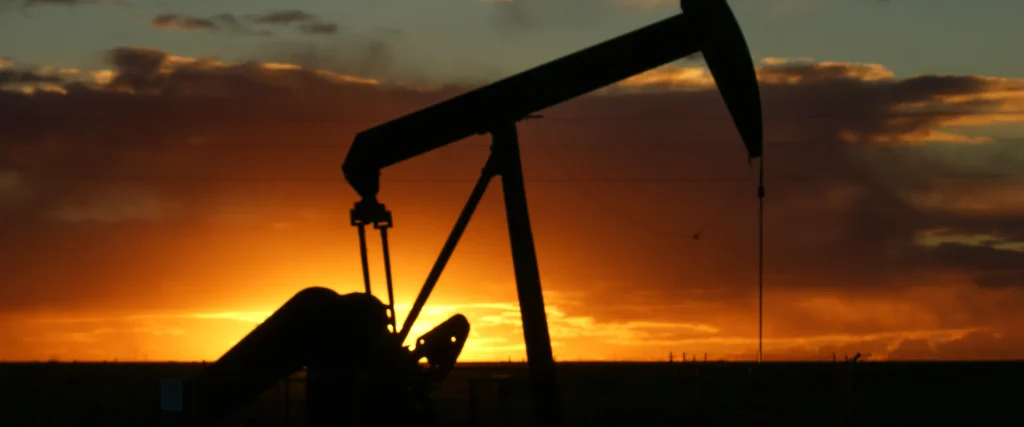
The future of fossil fuels depends on energy policy, technological progress and supply security. Coal, oil and natural gas continue to support the global economy, but cleaner electricity and electrification are changing how businesses and households use energy.
Recent evidence points to an uneven transition. Renewable energy is limiting growth in fossil fuel consumption, while supply disruptions can increase reliance on conventional fuels. For UK businesses, understanding these changes matters when planning energy budgets and replacing equipment.
Is Fossil Fuel Demand Declining?
Globally, fossil fuel demand has yet to enter a sustained decline. The International Energy Agency’s (IEA) Global Energy Review 2026 found that demand for coal, oil and natural gas increased in 2025, although growth slowed compared with 2024.
However, low-emissions sources, including renewables and nuclear, supplied nearly 60% of the increase in global energy demand. Solar alone accounted for more than a quarter. Cleaner technologies are meeting more of the world’s additional energy needs, even while fossil fuel consumption grows.¹
Coal: A Transition Vulnerable to Supply Disruption
Coal demonstrates why reducing fossil fuel dependence cannot follow a fixed timetable.
In September 2026, the IEA forecast that global coal demand would rise by 1.2% this year, reaching a record 8.94 billion tonnes. Disruption to liquefied natural gas shipments through the Strait of Hormuz has increased gas prices, encouraging some countries to generate more electricity from coal.
The outlook for 2027 depends partly on whether those shipments recover. If gas supplies improve and prices fall, coal consumption could decrease again.²
These developments highlight the connection between energy security and decarbonisation. Expanding renewable generation needs to accompany investment in electricity networks, storage and other sources of flexibility.
Oil: Electric Vehicles Are Changing Demand
Electric vehicles are already influencing oil consumption. Global oil demand increased by 0.7% in 2025, while electric car sales exceeded 20 million, representing around a quarter of new car sales. The IEA identified electric vehicle adoption as a factor limiting oil demand for road transport.¹
However, peak oil demand remains uncertain. The IEA’s World Energy Outlook 2025 presents different outcomes depending on policy implementation.
Its Stated Policies Scenario, which considers existing and announced policy settings, sees oil demand leveling off around 2030 before gradually declining. Its Current Policies Scenario, based on policies already in place, sees demand growing to 2050, supported by aviation, trucking and petrochemical production. These scenarios illustrate possible pathways rather than guaranteed outcomes.³
Natural Gas: An Uncertain Longer-Term Role
Natural gas faces competing pressures. The IEA identifies substantial planned growth in LNG export capacity, but questions whether future demand will absorb all the additional supply.
Renewable energy, nuclear generation and efficiency improvements limit potential gas demand growth in some markets. Methane leakage also remains a risk to future uptake.³ Recent supply disruptions add uncertainty to investment decisions and expectations about affordability.²
What Does This Mean for UK Businesses?
The UK’s transition varies between sectors. Government statistics published in September 2026 show that petroleum supplied 92.4% of transport energy consumption in 2025. Electricity consumption by road vehicles nevertheless increased by 31% compared with 2024. Replacing existing vehicles and infrastructure takes time.⁴
Businesses can prepare by measuring energy consumption, addressing avoidable waste and reviewing fossil fuel dependence when equipment reaches replacement age.
Decisions about heating, vehicles and production processes should consider running costs, grid capacity, operational needs and emissions. Assessing these factors together helps organisations identify where electrification makes practical and financial sense.
Planning for a Changing Energy System
Fossil fuels will remain part of the energy system for years, but their role will vary by fuel, sector and region. Businesses can act now by improving efficiency and building future energy requirements into investment planning.
To understand your organisation’s consumption and identify opportunities to reduce costs and emissions, speak to 2EA about energy management and carbon reduction planning.