
Microbes to Recycle Plastic Waste
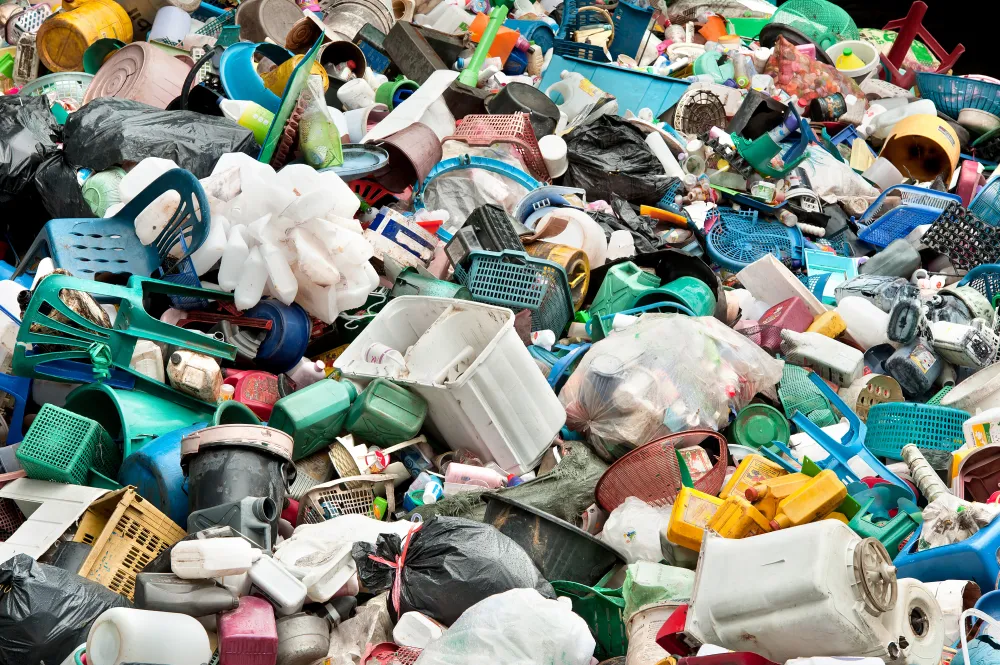
Plastic pollution poses a massive worldwide challenge, frequently ending up in landfill due to limited recycling options. A potential solution, however, may be imminent, allowing plastic to be broken down and repurposed.
Plastic Recycling
Recycling rates of plastic remain low, despite new processes that can mechanically clean, shred and remelt plastic. However, these processes affect the physical properties of plastic, limiting how much recycled material can be used in new products.
Additionally, chemical recycling, which uses high heat to break plastics into original monomers which can be repolymerised, is expensive due to its operational costs and significant energy requirements, making it a less viable option for recycling large amounts of plastic.
A New Way
However, there may be a new solution on the horizon. Plastic-degrading enzymes are a novel way to decompose PET (polyethylene terephthalate) plastic into its original monomers, so that it can be recycled into new, high-quality plastic.
The process uses certain types of fungi and bacteria that produce enzymes that can digest synthetic plastics, outputting a PTA (Purified Terephthalic Acid) and MEG (Mono-Ethylene Glycol) – these are identical to virgin grades, meaning the recycled plastic will have identical properties to the virgin resin.
The first commercial plant by Carbios is under construction and due for completion in 2026, and at the time of writing, they are still working on isolating and manufacturing the enzyme to speed up the process.
Once streamlined, the process will be able to degrade up to 50,000 tonnes of PET a year, expecting to reach capacity within 18 months of opening, with plans to double the capacity in the future.
Further Fungi Features
However, PE (Polyethylene) and PP (Polypropylene) – the most common uses of plastic – contain carbon and hydrogen, which makes them harder for the microbes to break down. Australian researchers have identified two strains of fungi, Aspergillus Terreus and Engyodontium Album, that can digest PP after being pre-treated with UV light or heat.
The two types of fungi are found in soil & plants and break down PP by 21%. With the current recycling rate of PP being just 1%, this could be pivotal for plastic reuse and landfill. Plastic degrading enzymes can be used in a number of ways and could further reduce the amount of plastic incinerated.
Researchers are now looking to enhance degradation efficiency, hoping to then gain investment to scale up the technology. There is also talk that the enzymes may be able to be ‘laced’ into a plastic sample, meaning it would degrade in the environment later; however, this still requires further investigation.
Reduce Plastic Consumption
Whilst the above could mean that plastic can be recycled in the near future, it is not an excuse to continue to use plastic at an unsustainable rate – change is still needed to decrease the amount of plastic used globally. Many businesses have set targets to reduce their reliance on virgin plastics, such as Kraft Heinz, who have a target of reducing virgin plastic in their packaging by 20% by 2030.
The development of new plastic recycling methods and technologies will be vital for combating climate change. This progress could represent a significant shift towards preservation and a reduction in the consumption of non-renewable resources.