
How Early Warnings of Heatwaves and Natural Disasters Can Save Lives
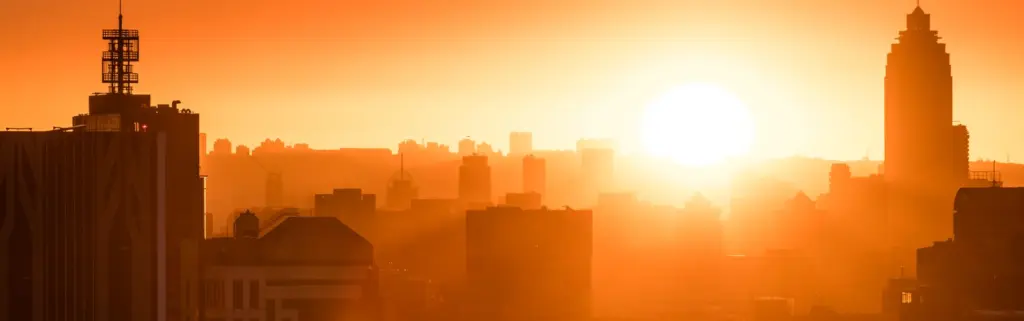
Across the globe, extreme heat events are occurring with increasing frequency and intensity. News of shattered temperature records, often accompanied by reports of loss of life, has become a regular fixture in our headlines. As the climate crisis accelerates, the threats posed by heatwaves and natural disasters are expected to worsen, impacting every facet of daily life, from overstretched health services to buckling power systems and stalled economic productivity.
As we have previously discussed in our look at Extreme Weather and Heatwaves, the shift in our global climate is making “the extremes more extreme.” Now, following the conclusions of the 2025 report from Climate Home News,1 it is undeniable that Early Warning Systems (EWS) are no longer a mere ‘luxury’ but an essential element for operational resilience.
The Current Landscape of Heat Warnings
Currently, over a hundred meteorological services provide warnings for extreme heat. However, many of these systems fall short because they are informed solely by maximum temperature. They often fail to capture the dangers of prolonged, intense periods of heat where temperatures remain high during both day and night; a scenario that significantly increases health risks.
Furthermore, there is a lack of global standardisation. With hundreds of definitions for ‘extreme heat’ in use, the response can be fragmented. For businesses operating internationally, this lack of consistency can make sustainability management and risk assessment particularly challenging.
Breaking the Silos for Enhanced Resilience
To save lives, we must scale up and improve these warning systems. This requires:
- Global Coordination: Better cooperation between governments and international bodies like the World Meteorological Organization (WMO) to standardise definitions and guidance.
- Transparency: Proactive sharing of data, knowledge, and best practices across sectors.
- Inclusion: Ensuring that lower-income nations, which are often the most vulnerable, have access to the financing and technology needed to implement these systems.
A People-Centred Approach
A top-down model is rarely enough. For an early warning to be effective, it must be ‘people-centred’. This means alerts must be accessible, comprehensible, and reach the most marginalised populations.
Importantly, warnings should target those most at risk, such as the elderly, outdoor labourers, and those without access to cooling. This aligns with the broader goals of carbon reduction planning, where understanding the specific operational and human risks of climate change is vital for long-term resilience.
The Business Case for Early Warnings
For the corporate sector, early warnings are not just a matter of safety; they are a matter of operational continuity. Extreme heat can lead to:
- Energy Grid Strain: Increased demand for cooling can lead to power shortages.
- Productivity Loss: High temperatures reduce the capacity for manual and cognitive labour.
- Infrastructure Stress: Heat can cause physical damage to transport networks and machinery.
By integrating early warning data into your Energy Management System, your organisation can implement automated responses, such as adjusting HVAC loads or shifting production schedules, to mitigate risks before they become crises.
No Time to Lose
As temperatures rise, so must our ambitions for protection. The world is beginning to act with more urgency, but we cannot afford to wait for the next tragedy to refine our systems.
At 2EA®, we specialise in helping businesses navigate the complexities of energy legislation and climate change adaptation. Whether it’s through building energy audits to improve thermal resilience or ensuring compliance with the latest SECR requirements, we are here to support your journey toward a sustainable and resilient future.